Latest News & Blog
Read Our Latest News & Blog
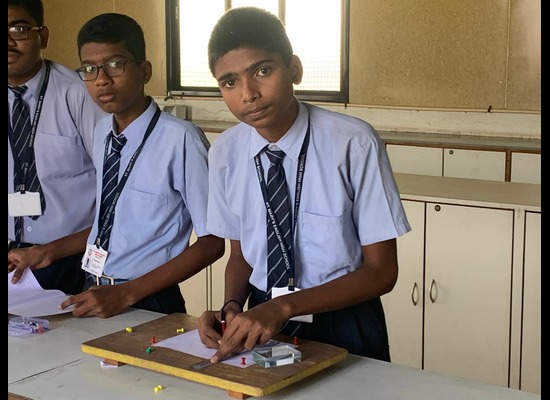
Understanding a child’s emotions, interests, and learning needs is essential for healthy development. By actively listening, observing daily behavior, and maintaining open communication, parents can build strong relationships and support their child’s academic and emotional growth.
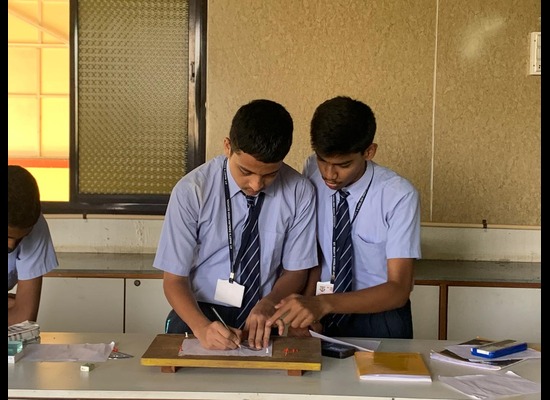
Hands-on classroom activities help students develop focus, problem-solving abilities, and teamwork. Practical learning enhances understanding by allowing children to apply concepts through experiments, projects, and collaborative tasks in a supportive environment.
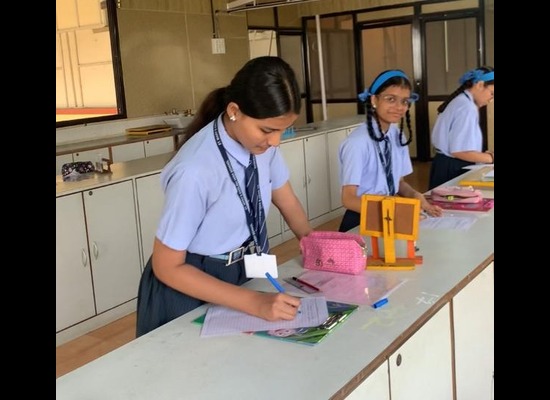
Guiding children to balance studies, activities, and personal time helps them develop discipline and responsibility. With proper support from parents and teachers, students learn time management skills that improve confidence, productivity, and overall well-being.